

Python from Beginner to Advanced Very Good Choice
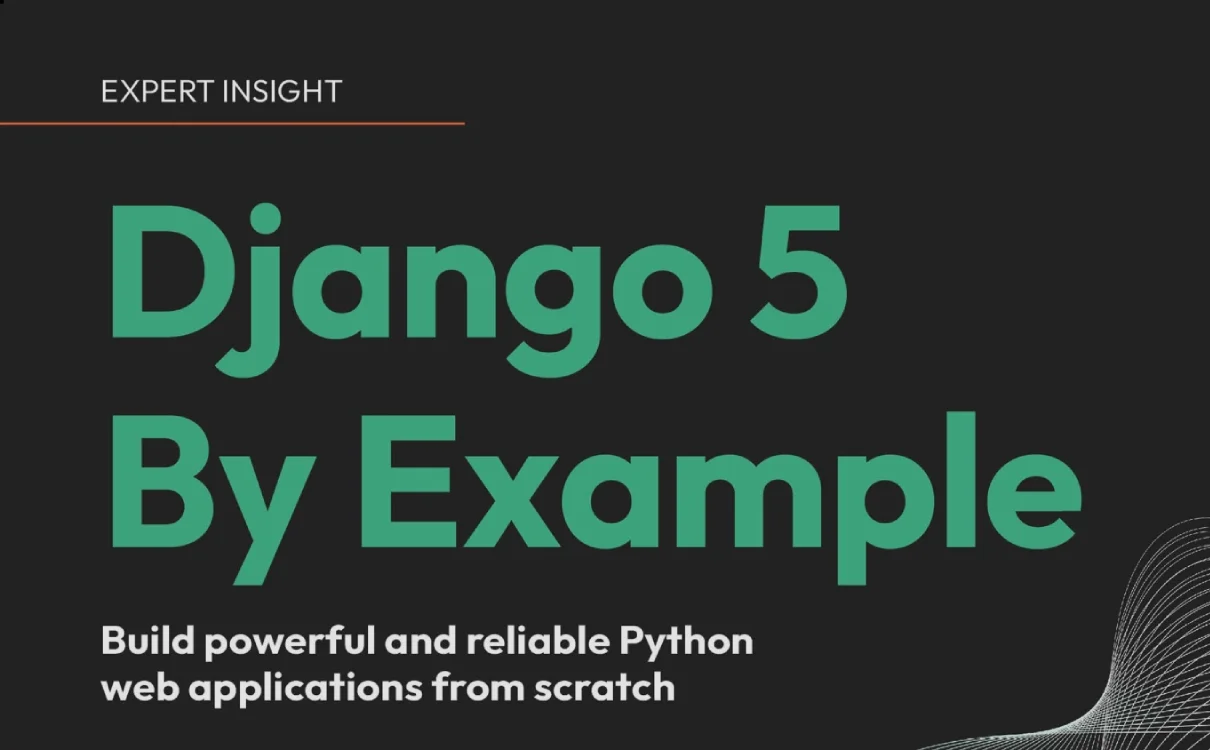
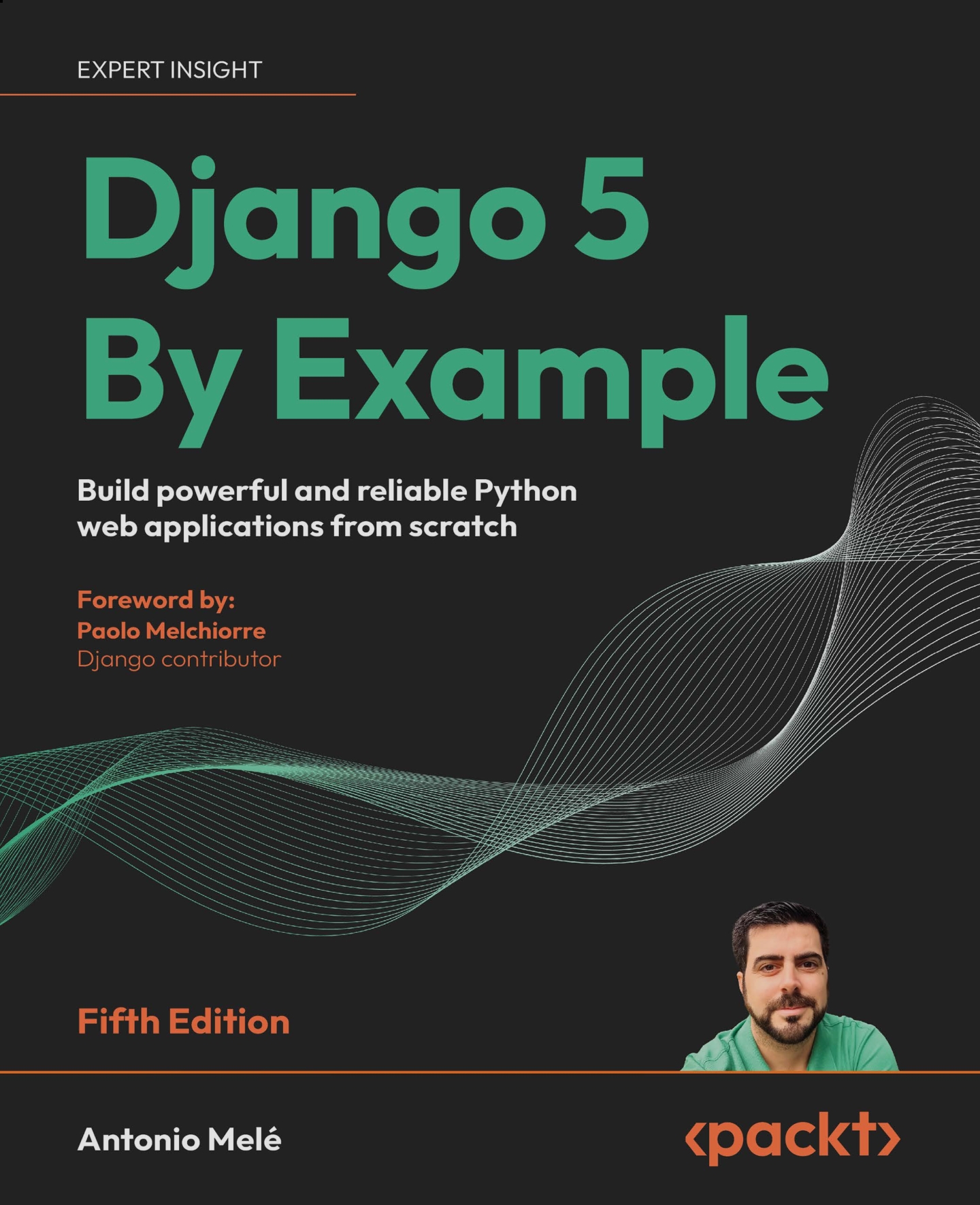
Django 5 By Example
After reading "Python Programming: from Beginner to Practical", I am ready to take the next step. Previously, I was watching a blogger share a learning path in Oil Tube, and "Fluent Python" was recommended after it. I bought the book in paperback and downloaded the PDF version to make it easier to learn. But after a general look, I realized that the book mainly focuses on the features and details of the language itself. May not be suitable as the next step in the study material, combined with their own in-depth web development direction, think you can further study Django this WEB framework.
After searching for “Python Programming: From Beginner to Practical Next” on Zhihu, there are indeed a lot of people asking this question, and it seems that a lot of people who are beginners in Python have encountered this confusion. After reading the answers to a few questions, I found that many of the respondents are not programmers, but are most likely doing programmer information “self-publishing”, either recommending products or giving a soft copy of a book in their answers. In the last year, I've been looking at the know-how, and I can't find any valuable focus.
However, after reading a few answers under similar questions, I came across a very short answer that coincided with my desire to learn more about Django.
Oh, oh, oh, oh, oh, oh, oh, oh, oh, oh, oh, oh, oh, oh, oh, oh.
Zhihu user
It is not recommended to learn to crawl, it is very easy to be caught in, now crawlers are easily involved in breaking the law. People use the code you write, change your code, break the law, you are afraid to follow a few years to step on the sewing machine.
I've been using Python for five years now, so give me some advice.
If you are a student and your school is 985, you can mess around with data analytics. You can also mess around with algorithms, but it seems that nowadays the algorithm direction wants graduate students, and they are bullish graduate students. But small companies in general also want.
If you are already out of work, you should learn back-end, flask, Django, because this is more practical. The focus is on the ability to solve problems.
In addition to the above, you can also engage in the direction of cloud computing, OpenStack, feel familiar with a large module, the work is still quite easy to find. Of course, the direction of cloud computing is not only a module, but also related to the cloud computing ability & knowledge reserves.
There are also those who make tools, who make specialized software and whatnot. That's particularly niche and not sustainable. For tools, Python might just be your main language, but presumably you'll have to learn some qt or something.
Learning Django is just a more practical choice and a tangible direction for me at the moment.
So, I went to Douban to search for “Django”, and the highest rated book was “Django by Example”, and I clicked in to see the full user reviews, and the positive feedback was like, "Best django book"! I found the third edition of the book! I found the third edition of this book, the name has changed a bit: "Django 3 by Example", well the latest version, more suitable for the current version of Python, the subtitle is Build powerful and reliable Python web applications from scratch --Build powerful and reliable Python web applications from scratch. I started to read the general introduction to each chapter in the starting section, as well as the first part, and thought from the bottom of my heart - this is the material I want to learn! And it just so happens that the transition from "Python Programming: From Beginner to Practical" can be very silky smooth.
Based on my ability to barely read English, this English book was a bit slow to read, but it didn't affect my understanding. In fact, I also practiced my ability to read English (documentation) (which is a necessary ability for a programmer), and at the same time learned some English vocabulary of the programming language Python, which will be helpful for my future study as well. In this process, I don't spend too much time on vocabulary, but only when it affects the understanding of the core meaning, I will use the underline translation function that comes with WPS to understand the general meaning, and focus on the code and logic.
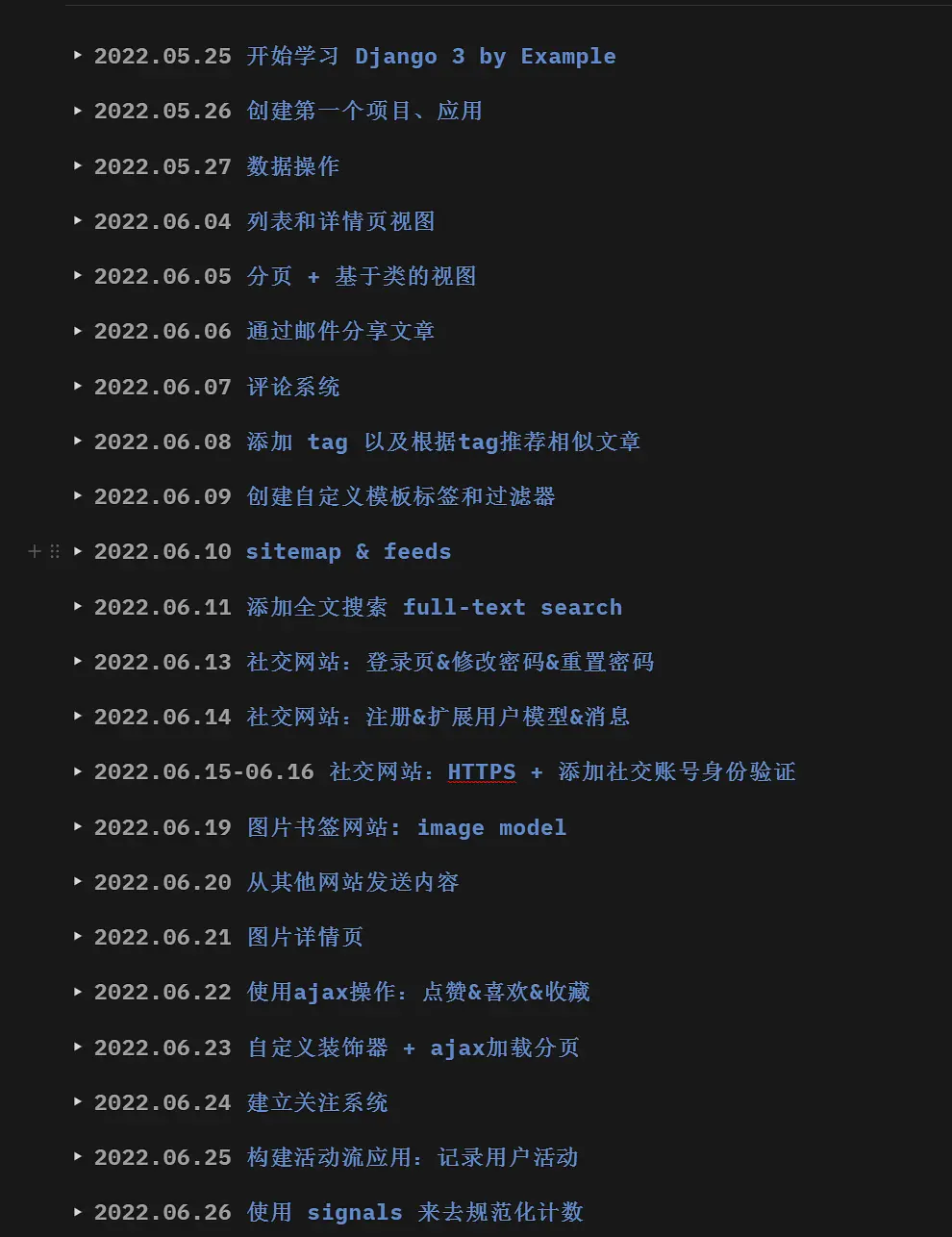
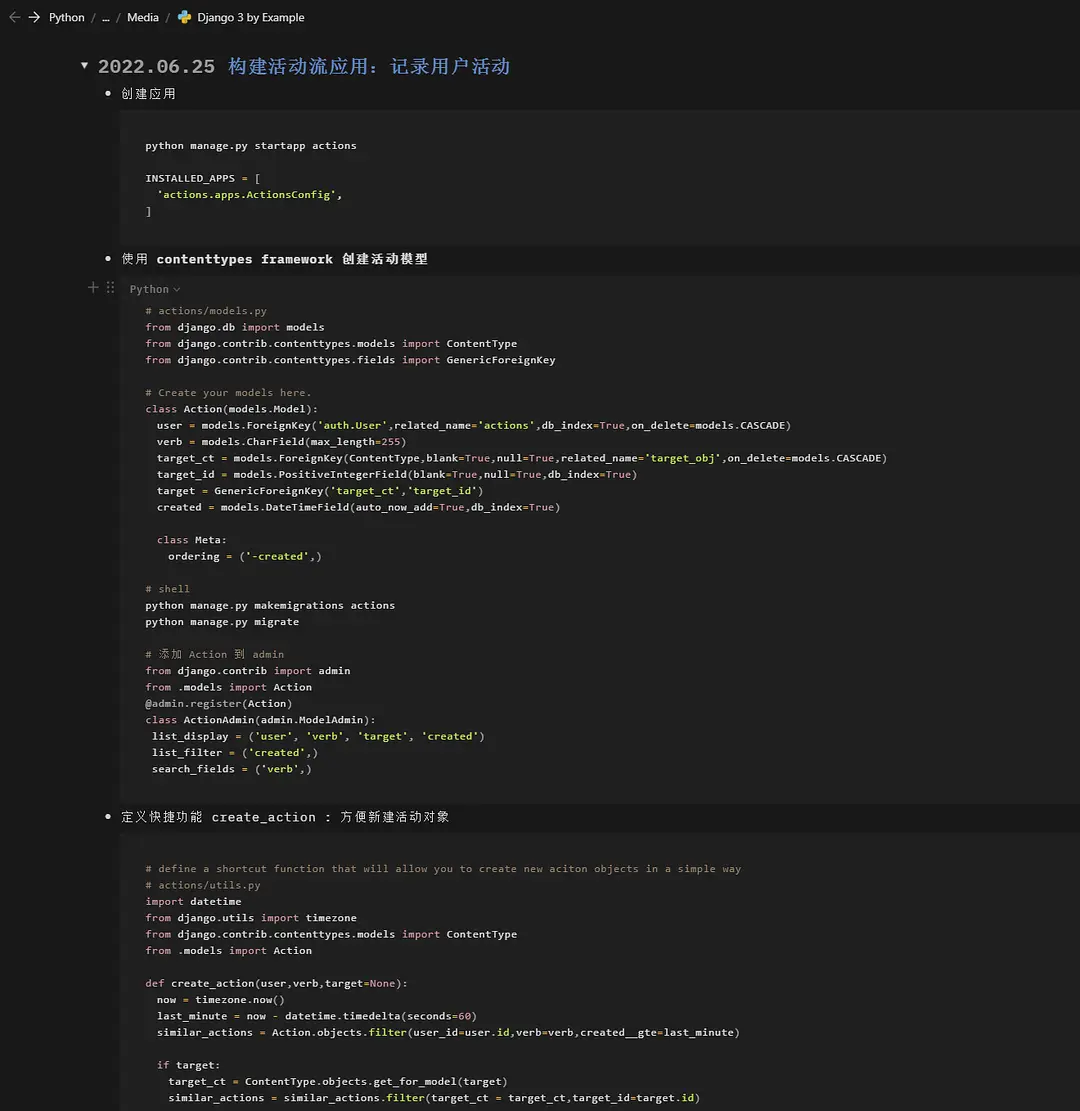
Each time you read a section, you actually knock out the code yourself. Then on Notion, a note-taking software, I'll do it again and summarize and refine the key points. Each day is recorded, titled by time + key features, and clicked on to code and summarize.





No Comments